
What Is 3-O-Ethyl Ascorbic Acid? A Technical Guide for Cosmetic Manufacturers
2026-02-14 12:19:31
Introduction: Why Cosmetic Manufacturers Are Moving Beyond Traditional Vitamin C
3-O-Ethyl Ascorbic Acid has become one of the most discussed vitamin C derivatives in modern cosmetic formulation—not because it replaces traditional L-Ascorbic Acid, but because it addresses some of the practical challenges manufacturers face when working with pure vitamin C at scale.
For many years, L-Ascorbic Acid has been regarded as the gold standard for topical vitamin C. Its antioxidant properties and role in supporting brighter-looking skin are well documented. However, in real manufacturing environments, formulators must work within constraints that extend beyond laboratory theory. Oxidation during filling, discoloration over time, strict low-pH requirements, and compatibility limitations can complicate production and affect finished product stability—especially when products are distributed across diverse climates.
This is where 3-O-Ethyl Ascorbic Acid enters the conversation. As a stabilized vitamin C derivative, it was developed to offer improved resistance to oxidation while maintaining functional relevance in brightening and antioxidant applications. For cosmetic manufacturers, this translates into broader formulation flexibility, more manageable stability profiles, and potentially greater consistency across batches.
At CHEN LANG BIO TECH, we work closely with formulation teams and procurement managers who are evaluating which form of vitamin C best aligns with their product positioning, regulatory requirements, and long-term supply strategy. The goal of this technical guide is not to promote one ingredient over another, but to provide a clear, structured understanding of what 3-O-Ethyl Ascorbic Acid is, how it functions in cosmetic systems, and what manufacturers should consider when selecting it for commercial production.
In today’s competitive skincare market, ingredient choice is no longer just a question of efficacy—it is a question of stability, compatibility, scalability, and reliable sourcing.
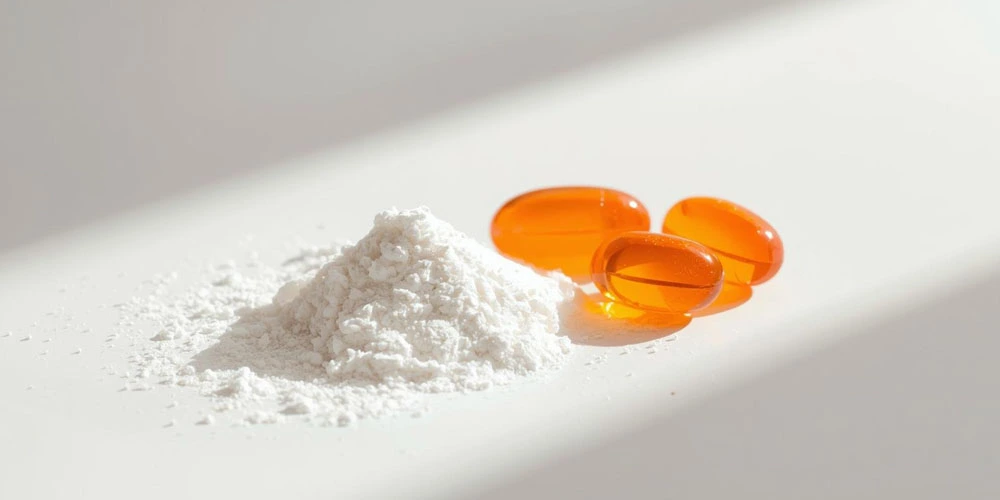
What Is 3-O-Ethyl Ascorbic Acid?
At its core, 3-O-Ethyl Ascorbic Acid is a modified form of ascorbic acid in which an ethyl group is attached to the third carbon position of the molecule. This structural modification may appear subtle from a chemical standpoint, yet it has meaningful implications for stability and formulation behavior.
The ingredient is commonly listed under the INCI name 3-O-Ethyl Ascorbic Acid and is sometimes referred to in the market as Ethyl Ascorbic Acid. Its CAS number is 86404-04-8, and it retains the fundamental antioxidant backbone of vitamin C while introducing improved resistance to oxidative degradation.
Chemical Structure and Functional Modification
In pure L-Ascorbic Acid, the enediol structure at the 2- and 3-carbon positions contributes to its strong antioxidant activity—but also to its instability. By introducing an ethyl group at the 3-position, 3-O-Ethyl Ascorbic Acid becomes less reactive toward environmental triggers such as oxygen, light, and elevated temperature. This modification enhances its structural resilience while preserving its relevance as a vitamin C derivative for skin applications.
For cosmetic manufacturers, this balance between activity and stability is critical. An ingredient that performs well in theory but degrades rapidly during storage can compromise product integrity. The ethylation process helps address this concern without fundamentally changing the functional identity of vitamin C within a formulation system.
How It Differs from L-Ascorbic Acid
The key difference between L-Ascorbic Acid and 3-O-Ethyl Ascorbic Acid lies in their behavior under formulation conditions.
♦L-Ascorbic Acid:
Highly active but highly sensitive
Requires low pH systems
More prone to oxidation and discoloration
♦3-O-Ethyl Ascorbic Acid:
Stabilized derivative
Broader pH compatibility
Improved resistance to oxidation
Greater formulation flexibility
It is important to clarify that derivatization does not mean the ingredient is inert or diluted. Rather, the structural modification allows manufacturers to work with vitamin C chemistry in a more controlled and predictable way, particularly in complex cosmetic formulations.
From a sourcing perspective, understanding the structural foundation of 3-O-Ethyl Ascorbic Acid also reinforces why quality control matters. Impurities or incomplete reactions during manufacturing can influence stability and performance. This is why reputable suppliers rely on validated analytical methods such as HPLC to confirm purity and batch consistency before release.
Functional Mechanism in Skin Applications
Understanding the structure of 3-O-Ethyl Ascorbic Acid is only the first step. For cosmetic manufacturers, the more relevant question is how that structure translates into functional performance within finished formulations and on the skin.
Like other vitamin C derivatives, 3-O-Ethyl Ascorbic Acid is primarily valued for its antioxidant capacity and its role in promoting a brighter, more even-looking complexion. In topical applications, oxidative stress from UV exposure, pollution, and environmental aggressors contributes to visible signs of aging and uneven tone. Vitamin C chemistry helps neutralize reactive oxygen species, thereby supporting skin that appears clearer and more luminous.
Antioxidant Activity
The antioxidant function of 3-O-Ethyl Ascorbic Acid is rooted in the same fundamental redox properties that define ascorbic acid itself. While structural modification enhances stability, the molecule retains the ability to participate in electron-donating reactions that help counteract oxidative stress within cosmetic systems.
From a formulation perspective, this antioxidant activity is not only relevant for skin benefits but also for protecting the integrity of the formula itself. In well-designed systems, vitamin C derivatives can contribute to overall product stability when combined with complementary antioxidant networks.
Brightening and Tone-Enhancing Role
In cosmetic applications, 3-O-Ethyl Ascorbic Acid is frequently incorporated into brightening serums, spot-correction products, and tone-evening emulsions. Its relevance in these applications is linked to its influence on pathways associated with melanin appearance and oxidative discoloration.
Importantly, visible results in finished products depend on multiple factors:
•Concentration level;
•Delivery system;
•Penetration enhancers;
•Synergy with other actives such as niacinamide or botanical extracts.
Manufacturers evaluating 3-O-Ethyl Ascorbic Acid in cosmetic formulations should therefore assess performance within the context of the complete formula rather than in isolation.
Support for Collagen-Related Pathways
Vitamin C chemistry has long been associated with collagen-supporting mechanisms in skin biology. While cosmetic ingredients are not positioned as medical treatments, topical vitamin C derivatives are commonly used in formulations aimed at improving the appearance of fine lines and supporting firmer-looking skin.
For brands developing anti-aging or multi-functional brightening systems, 3-O-Ethyl Ascorbic Acid provides a way to incorporate vitamin C functionality without the strict formulation limitations of pure L-Ascorbic Acid.
Performance Depends on System Design
One of the most important considerations for cosmetic manufacturers is that ingredient performance is formulation-dependent. The base system, emulsifier structure, solvent selection, and packaging design all influence how effectively 3-O-Ethyl Ascorbic Acid performs in the final product.
At CHEN LANG BIO TECH, we often advise clients to conduct controlled stability and compatibility testing during development, especially when combining multiple active ingredients. Even a stabilized derivative benefits from thoughtful formulation engineering.
Solubility and Formulation Considerations
Beyond stability, one of the most practical questions cosmetic chemists ask is: how does 3-O-Ethyl Ascorbic Acid behave inside a real formulation system?
For manufacturers, solubility, compatibility, and processing behavior often determine whether an ingredient is efficient to work with at scale. An active may be scientifically promising, but if it complicates manufacturing or limits formulation options, it increases development time and cost.
Solubility Characteristics
3-O-Ethyl Ascorbic Acid is primarily water-soluble, making it suitable for incorporation into aqueous phases of serums, toners, essences, and emulsions. Its solubility profile allows for relatively straightforward dispersion under controlled mixing conditions.
When evaluating 3-O-Ethyl Ascorbic Acid solubility, manufacturers should consider:
Dissolution temperature;
Mixing speed;
Final pH adjustment sequence;
Interaction with chelating agents.
In most standard cosmetic processing environments, it can be dissolved into the water phase prior to emulsification or incorporated during the cooling phase, depending on the formula design.
Compared to L-Ascorbic Acid, the derivative’s improved stability provides greater tolerance during heating and cooling cycles, though excessive thermal exposure should still be avoided to preserve optimal assay levels.
Recommended Usage Levels in Cosmetic Formulations
In practical formulation work, the inclusion level of 3-O-Ethyl Ascorbic Acid depends on the intended product positioning, regulatory compliance, and overall system design. Based on industry practice and supplier technical data across global markets, typical usage levels fall within the following ranges:
•0.5% – 2%:
Common in daily-use lotions, creams, and maintenance brightening products. At this range, the ingredient supports antioxidant protection and tone-evening claims while maintaining excellent stability and skin tolerance.
•2% – 5%:
Frequently used in targeted brightening serums and spot-correction formulas. This concentration range balances visible performance with manageable formulation stability in most water-based systems.
•Up to 10% (advanced formulations):
Some high-performance brightening serums incorporate 3-O-Ethyl Ascorbic Acid at elevated levels approaching 8–10%. At these concentrations, careful evaluation of:
pH stability;
preservative system compatibility;
long-term color retention;
skin tolerance testing becomes essential before commercialization.
Compared to L-Ascorbic Acid—which often requires 10–20% concentration in low-pH serums—3-O-Ethyl Ascorbic Acid may achieve comparable brightening positioning at lower inclusion rates due to improved formulation compatibility and stability characteristics.
From a development perspective, manufacturers should validate:
Accelerated stability (40°C / 75% RH, 3 months minimum);
Assay retention over time;
Color shift monitoring;
Sensory impact on final formula.
It is also important to adjust the final product pH appropriately. While 3-O-Ethyl Ascorbic Acid does not require the extremely low pH of pure L-Ascorbic Acid, many formulations maintain a mildly acidic environment (typically pH 4.0–6.0) to optimize performance and stability balance.
At CHEN LANG BIO TECH, we support clients by providing batch-specific assay data and formulation guidance to help determine the appropriate inclusion level for their specific product type, whether it is a daily brightening lotion or a high-concentration serum.
Compatibility With Other Cosmetic Ingredients
One of the advantages of 3-O-Ethyl Ascorbic Acid is its broader compatibility profile compared to pure L-Ascorbic Acid. Because it does not require extremely low pH conditions, it can be integrated more easily with:
•Niacinamide;
•Peptides;
•Botanical extracts;
•Hyaluronic acid systems;
•Emulsion-based moisturizers.
That said, compatibility should always be verified through small-batch trials. Ingredient interactions are influenced by solvent systems, emulsifier types, preservative blends, and packaging materials.
For manufacturers developing multi-functional brightening formulas, this compatibility flexibility often simplifies R&D workflows and reduces reformulation cycles.
Packaging and Processing Implications
Although 3-O-Ethyl Ascorbic Acid stability is improved compared to L-Ascorbic Acid, good manufacturing practices remain essential. Controlled exposure to air during mixing, appropriate storage conditions, and moisture-resistant packaging are still recommended.
For bulk raw material handling, storage in sealed, moisture-protected containers in cool, dry environments helps maintain product quality prior to formulation.
From our experience supporting global cosmetic brands, the combination of improved stability and manageable solubility makes 3-O-Ethyl Ascorbic Acid particularly suitable for scalable production environments where reproducibility and efficiency are critical.
Application Areas in Cosmetic Products
The versatility of 3-O-Ethyl Ascorbic Acid becomes most evident when we look at how it is used across different cosmetic product categories. Unlike traditional L-Ascorbic Acid, which is primarily associated with low-pH aqueous serums, this stabilized derivative integrates more flexibly into diverse formulation systems.
For cosmetic manufacturers, this adaptability opens the door to broader product development strategies.
1. Brightening Serums and Spot-Correction Treatments
One of the most common applications of 3-O-Ethyl Ascorbic Acid in serum formulations is in brightening and tone-evening products. Because it maintains good solubility in aqueous systems while offering improved oxidative resistance, it is particularly suitable for leave-on treatments designed for daily use.
In concentrated brightening serums (typically 2–5%), formulators often combine it with:
•Niacinamide;
•Alpha-arbutin;
•Tranexamic acid;
•Licorice extract.
This allows brands to build multi-pathway brightening systems rather than relying on a single active. Compared to L-Ascorbic Acid, the broader pH compatibility of 3-O-Ethyl Ascorbic Acid simplifies co-formulation with these ingredients.
Additionally, its improved color stability helps reduce the risk of visible yellowing in transparent serum packaging—an important commercial consideration for premium brands.
2. Anti-Aging Emulsions and Cream Systems
In cream and lotion formats, formulators often prioritize stability and compatibility over maximum acidity. This is where 3-O-Ethyl Ascorbic Acid in cream formulations demonstrates clear advantages.
Because it does not require extremely low pH conditions, it can be incorporated into:
•Oil-in-water emulsions;
•Gel-cream hybrids;
•Lightweight moisturizing systems.
In anti-aging positioning, it is frequently paired with peptides and barrier-support ingredients. This compatibility flexibility makes it easier to design comprehensive skin-repair systems without destabilizing the emulsion matrix.
For manufacturers scaling up production, emulsions containing stabilized derivatives typically show more predictable stability behavior during long-term storage testing.
3. Antioxidant Defense Formulas
Another growing segment is antioxidant-focused skincare designed to address environmental stressors. In these formulations, 3-O-Ethyl Ascorbic Acid is often integrated into broader antioxidant networks that may include:
•Vitamin E (Tocopherol);
•Ferulic acid;
•Green tea polyphenols.
Within such systems, the role of vitamin C chemistry is to complement other antioxidants in maintaining overall formula resilience. Because it is considered a stable vitamin C derivative, it supports both skin-facing antioxidant claims and internal formula protection.
For brands marketing urban-defense or pollution-protection products, this positioning is particularly relevant.
4. Multi-Functional Daily Care Products
Beyond high-performance serums, 3-O-Ethyl Ascorbic Acid in cosmetic formulations is increasingly used in daily moisturizers, essences, and even tone-up creams. At lower inclusion levels (0.5–2%), it provides antioxidant support and tone-brightening positioning without dramatically affecting texture or pH balance.
This makes it suitable for:
•Daily-use brightening lotions;
•Sensitive-skin targeting products;
•Maintenance-phase skincare routines.
In these categories, the balance between stability and skin tolerance is often more commercially important than maximum active intensity.
5. Professional and Post-Procedure Positioning
While cosmetic ingredients are not medical treatments, certain professional skincare lines incorporate stabilized vitamin C derivatives in formulations intended for post-treatment skin support.
Because 3-O-Ethyl Ascorbic Acid stability allows formulation at moderate pH levels, it can be integrated into gentler systems compared to highly acidic L-Ascorbic Acid serums. For manufacturers developing such lines, this characteristic supports claims related to soothing and appearance-enhancing care.
Why Application Flexibility Matters for Manufacturers
From a commercial standpoint, the ability to use one ingredient across multiple product categories simplifies procurement and inventory management. Brands that standardize on a reliable cosmetic grade 3-O-Ethyl Ascorbic Acid can leverage:
•Cross-product formulation consistency;
•Reduced raw material complexity;
•Streamlined supplier management.
At CHEN LANG BIO TECH, we frequently see clients adopt 3-O-Ethyl Ascorbic Acid not only for its functional performance, but also for its adaptability across product lines.
Quality Specifications and What Manufacturers Should Look For
Selecting the right grade of 3-O-Ethyl Ascorbic Acid is not only a formulation decision—it is a quality control decision. Even when the chemical name is identical, differences in purity profile, impurity control, and manufacturing standards can significantly influence performance in finished cosmetic products.
For cosmetic manufacturers operating in regulated markets, raw material evaluation must go beyond basic assay percentage.
Purity and Assay Verification
High-quality cosmetic grade 3-O-Ethyl Ascorbic Acid is typically supplied with an assay of ≥99%, verified by validated analytical methods such as HPLC (High-Performance Liquid Chromatography).
Procurement teams should always confirm:
•The analytical method used for assay testing
•Batch-specific COA availability
•Specification limits for related substances
A consistent assay profile helps ensure predictable performance across production cycles, particularly in high-volume brightening serums where even minor variations may affect stability testing outcomes.
Impurity Profile and Heavy Metal Limits
Because 3-O-Ethyl Ascorbic Acid is synthesized through chemical modification, residual reagents or by-products must be carefully controlled.
Responsible manufacturers monitor:
Heavy metals (such as lead, arsenic, cadmium, mercury);
Residual solvents;
Related organic impurities;
Moisture content.
For brands exporting into the EU, US, or other regulated regions, impurity transparency is essential for safety documentation and product information files (PIF).
Microbiological and Moisture Control
Although vitamin C derivatives are not typically high-risk for microbial contamination in dry powder form, proper handling and packaging are still required.
Moisture control is particularly important. Excess humidity exposure during storage can impact long-term stability. Reputable 3-O-Ethyl Ascorbic Acid manufacturers package the material in moisture-resistant inner liners within fiber drums or sealed containers to protect against environmental exposure during transit.
Stability Data and Technical Support
Manufacturers developing high-performance products should request:
•Accelerated stability data (if available)
•Recommended storage conditions
•Compatibility guidance
•Shelf-life validation under standard storage
A reliable 3-O-Ethyl Ascorbic Acid supplier should be able to provide technical clarification when needed, rather than only commercial documentation.
At CHEN LANG BIO TECH, each production batch undergoes internal analytical verification prior to release. We provide full documentation packages—including COA, MSDS, and technical data sheets—to support regulatory compliance and formulation validation for global clients.
Packaging and Bulk Supply Considerations
For brands sourcing bulk 3-O-Ethyl Ascorbic Acid, packaging integrity and logistics planning are equally important. Large-volume buyers should evaluate:
•Available drum sizes;
•Inner packaging protection;
•Lead time consistency;
•Production capacity scalability;
Standardizing supply from a qualified manufacturer helps reduce variability and supports long-term product stability.
Frequently Asked Questions About 3-O-Ethyl Ascorbic Acid For Cosmetic Manufacturers
1. What is the typical purity specification for 3-O-Ethyl Ascorbic Acid?
High-quality 3-O-Ethyl Ascorbic Acid intended for cosmetic use is typically supplied with an assay of ≥99%, verified by HPLC analysis.
2. What is the recommended usage level in cosmetic formulations?
In most commercial applications, 3-O-Ethyl Ascorbic Acid usage level falls within:
•0.5%–2% for daily moisturizers and maintenance products;
•2%–5% for brightening serums;
•Up to 10% in advanced, high-performance formulations (with stability validation).
Unlike L-Ascorbic Acid, which often requires 10–20% in low-pH systems, 3-O-Ethyl Ascorbic Acid can deliver formulation flexibility at moderate concentrations due to improved stability.
Final concentration should always be confirmed through internal stability and compatibility testing.
3. What is the ideal pH range for formulations containing 3-O-Ethyl Ascorbic Acid?
While pure L-Ascorbic Acid typically requires pH < 3.5, 3-O-Ethyl Ascorbic Acid pH range is generally more flexible.
Most formulations maintain a pH between 4.0 and 6.0 to balance:
•Stability;
•Skin tolerance;
•Compatibility with other active ingredients;
•Exact pH should be optimized during development based on the complete formulation system.
4. Is 3-O-Ethyl Ascorbic Acid more stable than L-Ascorbic Acid?
In many cosmetic systems, yes.
Because of its structural modification, 3-O-Ethyl Ascorbic Acid stability under oxidative stress is typically improved compared to pure L-Ascorbic Acid. It shows slower discoloration and better assay retention under accelerated conditions.
However, final product stability always depends on:
•Packaging;
•Preservative system;
•Storage conditions;
•Overall formula matrix.
5. Can 3-O-Ethyl Ascorbic Acid be combined with Niacinamide?
Yes, in many cases it can.
Unlike L-Ascorbic Acid, which may present compatibility concerns in low-pH systems, 3-O-Ethyl Ascorbic Acid in cosmetic formulations is generally easier to incorporate alongside niacinamide within moderate pH ranges.
Nevertheless, compatibility testing is recommended for each specific formula.
6. What is the typical shelf life?
Under recommended storage conditions (cool, dry, protected from direct light), cosmetic-grade 3-O-Ethyl Ascorbic Acid commonly carries a shelf life of 24 months.
7. What is the typical MOQ for bulk orders?
MOQ varies depending on manufacturer capacity and packaging configuration. Established 3-O-Ethyl Ascorbic Acid manufacturers, we often provide 1Kg MOQ for initial sampling orders and scalable options for long-term contracts.
Conclusion
Understanding 3-O-Ethyl Ascorbic Acid requires looking beyond its name as a vitamin C derivative and examining how it performs in real manufacturing environments.
From a chemical perspective, the ethyl modification enhances oxidative resistance while maintaining functional relevance in antioxidant and brightening formulations. From a formulation standpoint, its broader pH compatibility and improved stability profile provide cosmetic chemists with greater flexibility compared to traditional L-Ascorbic Acid systems. From a commercial perspective, this stability can translate into more predictable shelf life, reduced discoloration risk, and improved consistency across production batches.
For cosmetic manufacturers developing serums, emulsions, or multi-functional brightening systems, the decision is rarely about choosing the most reactive molecule. It is about selecting an ingredient that balances:
Functional performance;
Formulation compatibility;
Long-term stability;
Reliable bulk supply.
At CHEN LANG BIO TECH, we manufacture and supply cosmetic grade 3-O-Ethyl Ascorbic Acid with batch-level quality verification, including HPLC assay testing and complete documentation support. As a direct production facility with controlled manufacturing environments and scalable capacity, we focus on providing consistent quality for long-term international partners.
For technical specifications, formulation support, or inquiries regarding bulk 3-O-Ethyl Ascorbic Acid supply, our team is available to assist:
CHEN LANG BIO TECH
Email: admin@chenlangbio.com
Website: www.chenlangbio.com
Reliable raw materials are the foundation of stable formulations—and stable formulations are the foundation of strong brands.
References
1, Pinnell, S. R., Yang, H., Omar, M., et al. (2001). Topical L-ascorbic acid: Percutaneous absorption studies. Dermatologic Surgery, 27(2), 137–142.
2, Pullar, J. M., Carr, A. C., & Vissers, M. C. (2017). The roles of vitamin C in skin health. Nutrients, 9(8), 866.
3, Telang, P. (2013). Vitamin C in dermatology. Indian Dermatology Online Journal, 4(2), 143–146.
4, Draelos, Z. D. (2018). Active agents in common skin care products. Plastic and Reconstructive Surgery, 141(3), 337e–346e.
5, Farris, P. K. (2005). Topical vitamin C: A useful agent for treating photoaging and other dermatologic conditions. Dermatologic Surgery, 31(7 Pt 2), 814–818.
6, Cosmetic Ingredient Review (CIR). Safety assessment of ascorbic acid and its derivatives as used in cosmetics. Published safety review documents.

Send Inquiry
Related Industry Knowledge
- PQQ vs NMN in Dietary Supplements: Stability, Compliance, and Formulation Considerations
- Top 5 Benefits of Using Copper PCA in Cosmetics
- How Does Tranexamic Acid Powder Work in the Body?
- Is Phellinus Linteus Edible
- Benefits of Kola Nut Extract Powder for Energy
- The Science Behind Isobutylamido Thiazolyl Resorcinol in Skin Care
- Is Loratadine Better Than Antihistamine
- Does Resveratrol Powder Reverse Wrinkles
- What is Pure Cinnamon Bark Extract
- Is Kava Kavalactone Powder Safe