
3-O-Ethyl Ascorbic Acid vs Ascorbyl Glucoside: A Comparison of Vitamin C Derivatives for Skincare Benefits
2026-02-15 13:59:52
Introduction: Why Choosing the Right Vitamin C Derivative Matters in Skincare Formulations
Vitamin C is one of the most well-known and effective active ingredients in skincare. It has long been celebrated for its ability to brighten skin, reduce hyperpigmentation, and provide potent antioxidant protection. However, not all Vitamin C derivatives are created equal. Two of the most commonly used Vitamin C derivatives in skincare are 3-O-Ethyl Ascorbic Acid and Ascorbyl Glucoside, both of which offer distinct benefits for different types of skincare products.
As a skincare ingredient supplier and manufacturer, it is essential to understand the unique characteristics of these two derivatives when selecting the right one for your formulations. In this article, we will provide a detailed comparison of 3-O-Ethyl Ascorbic Acid and Ascorbyl Glucoside, focusing on their chemical structures, effectiveness, stability, skin benefits, and their ideal applications in commercial skincare products.
3-O-Ethyl Ascorbic Acid: The Stable and Effective Vitamin C Derivative
Product Overview
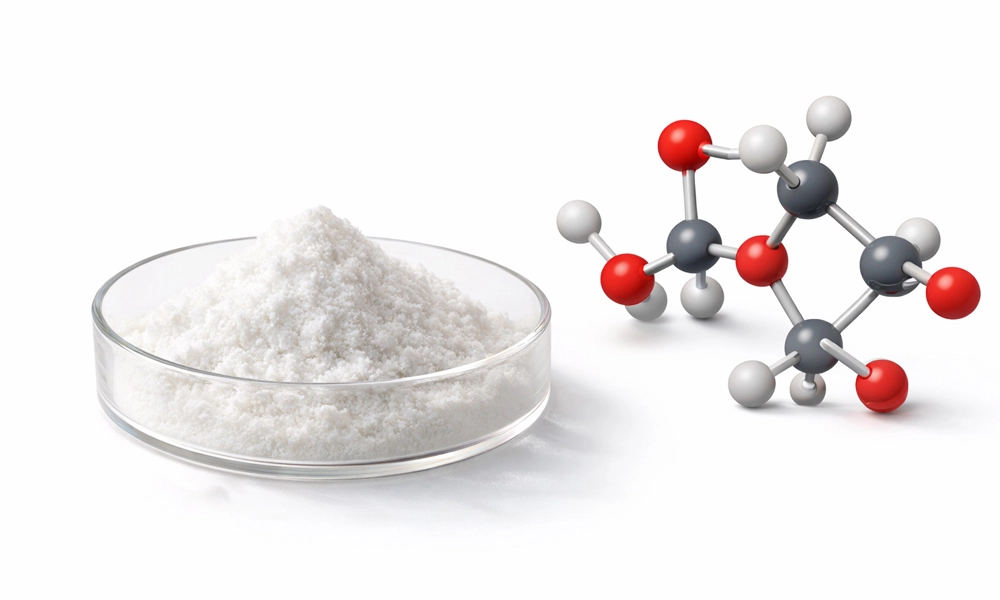
3-O-Ethyl Ascorbic Acid is a stabilized form of Vitamin C where an ethyl group is attached to the third carbon position of the ascorbic acid molecule. This small chemical modification enhances its stability and lipophilicity, making it more effective in penetrating the skin. 3-O-Ethyl Ascorbic Acid is often chosen for its ability to resist oxidation, which is a common problem with traditional L-Ascorbic Acid (pure Vitamin C). Unlike its predecessor, 3-O-Ethyl Ascorbic Acid maintains its potency and efficacy even under light, heat, and air exposure.
|
Name |
3-O-Ethyl-L-ascorbic acid |
|
Other Name |
3-O-Ethyl ascorbic Acid, Ethyl ascorbic acid |
|
CAS |
86404-04-8 |
|
Molecular Formula |
C8H12O6 |
|
Appearance |
White crystal powder |
|
Purity |
>99% |
|
Package |
25Kg/Paper drum |
|
Storage |
Cool and dry place |
Key Benefits
Enhanced Stability: One of the most significant advantages of 3-O-Ethyl Ascorbic Acid is its superior stability. Unlike L-Ascorbic Acid, which oxidizes quickly when exposed to light and air, 3-O-Ethyl Ascorbic Acid remains stable for longer periods, making it ideal for use in formulations with extended shelf lives.
Superior Skin Penetration: Due to its modified structure, 3-O-Ethyl Ascorbic Acid has a higher lipophilicity, meaning it can penetrate the skin’s lipid layers more efficiently. Once absorbed, it is converted into active Vitamin C, which then provides skin-brightening and anti-aging benefits.
Antioxidant Protection: As a potent antioxidant, 3-O-Ethyl Ascorbic Acid helps neutralize free radicals that cause oxidative damage, thus preventing premature skin aging. It also helps protect against environmental factors such as UV radiation and pollution.
Collagen Synthesis: Like other Vitamin C derivatives, 3-O-Ethyl Ascorbic Acid stimulates collagen production, which improves skin elasticity, firmness, and texture.
Ideal Applications
3-O-Ethyl Ascorbic Acid is particularly suited for high-performance skincare formulations, including:
•Anti-aging serums;
•Brightening creams;
•Professional skincare lines;
•Products targeting hyperpigmentation and uneven skin tone.
Its effectiveness in both brightening and anti-aging formulations makes it an essential ingredient in premium skincare products.
Ascorbyl Glucoside: A Gentler Vitamin C Derivative for Sensitive Skin
Product Overview
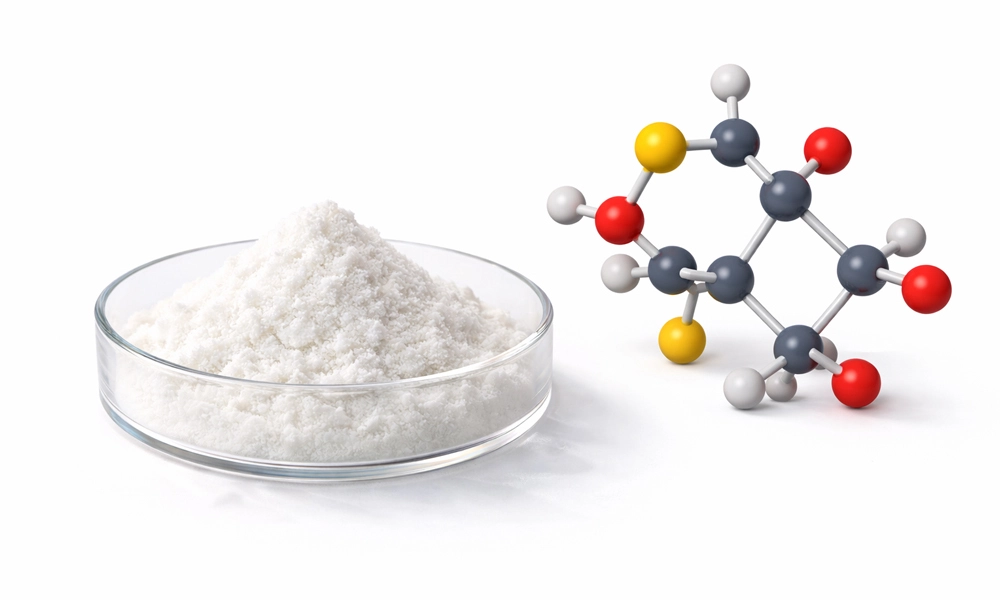
Ascorbyl Glucoside is another popular Vitamin C derivative that combines ascorbic acid with glucose, creating a more stable and water-soluble form of Vitamin C. This compound is less prone to oxidation compared to L-Ascorbic Acid, but it also has a slightly lower potency in terms of antioxidant and anti-aging effects.
It is often chosen for its milder nature, making it suitable for sensitive skin. It provides a gentle but effective way to deliver Vitamin C’s benefits without causing irritation, which can sometimes occur with other, more potent derivatives.
|
Name |
AA2G |
|
Purity |
99% |
|
Molecular Formula |
C12H18 O11 |
|
Molecular Weight |
338.26 |
|
Package |
25Kg/Paper drum |
|
Grade |
Cosmetics grade |
Key Benefits
Gentle and Non-Irritating: Ascorbyl Glucoside is less likely to irritate the skin, making it an excellent choice for those with sensitive or reactive skin types. This makes it a popular option for daily skincare routines.
Stability: Similar to 3-O-Ethyl Ascorbic Acid, it is more stable than L-Ascorbic Acid. However, it still may be more prone to degradation than 3-O-Ethyl Ascorbic Acid when exposed to extreme conditions.
Brightening and Even Skin Tone: Ascorbyl Glucoside is effective in reducing the appearance of dark spots and promoting a more even skin tone. It works by inhibiting the production of melanin, making it suitable for brightening formulations.
Moisturizing Effects: The glucose component of Ascorbyl Glucoside also helps hydrate the skin, providing added moisture and a smoother complexion.
Ideal Applications
Ascorbyl Glucoside is ideal for the following applications:
•Gentle brightening creams;
•Sensitive skin products;
•Daily-use serums and moisturizers;
•Post-procedure calming formulations.
Its mild, non-irritating properties make it a preferred choice for people with sensitive skin who are seeking the benefits of Vitamin C without the risk of irritation.
3-O-Ethyl Ascorbic Acid vs Ascorbyl Glucoside: Key Comparison
|
Feature |
3-O-Ethyl Ascorbic Acid |
Ascorbyl Glucoside |
|
Stability |
Highly stable, resistant to oxidation |
Stable, but slightly less so than 3-O-Ethyl Ascorbic Acid |
|
Skin Penetration |
High, effective deep skin absorption |
Moderate, effective for surface and mild layers |
|
Antioxidant Effectiveness |
Strong antioxidant protection, prevents aging signs |
Effective but less potent in comparison |
|
Suitable For |
Anti-aging, brightening, collagen boosting |
Sensitive skin, daily moisturizing, brightening |
|
Best Used In |
High-performance serums and professional products |
Daily-use skincare, sensitive skin formulations |
|
Cost |
Higher cost due to superior effectiveness and stability |
More cost-effective for daily-use products |
|
pH Value |
Typically between 4.5–6.0, suitable for a wide range of formulations |
Typically between 5.0–7.0, more compatible with water-based formulations |
How to Choose the Right Vitamin C Derivative for Your Skincare Line?
When selecting the right Vitamin C derivative for your products, it’s important to understand the specific needs of your formulations and target consumers.
If targeting high-end anti-aging or professional products, 3-O-Ethyl Ascorbic Acid is likely the best option. Its superior stability and skin penetration make it ideal for high-performance serums and brightening treatments.
If formulating for sensitive skin or daily use, Ascorbyl Glucoside is a gentler option that still provides Vitamin C benefits without the risk of irritation. It’s perfect for more affordable skincare lines or products that need to be gentle enough for daily use.
Consider factors such as cost, stability, effectiveness, and skin type when making your decision.
Conclusion: Which Vitamin C Derivative is Best for Your Products?
Both 3-O-Ethyl Ascorbic Acid and Ascorbyl Glucoside have their place in modern skincare formulations. For those looking for high-performance, anti-aging, and collagen-boosting effects, 3-O-Ethyl Ascorbic Acid is a clear winner. Its superior stability, potent effects, and ability to penetrate the skin make it perfect for premium skincare lines.
On the other hand, if you are targeting sensitive skin or formulating gentle, daily-use products, Ascorbyl Glucoside provides a stable, effective, and non-irritating solution.
As a cosmetics skincare powder manufacturer, we offer both 3-O-Ethyl Ascorbic Acid and Ascorbyl Glucoside in bulk, with guaranteed purity and consistent quality. Whether you're creating anti-aging serums or sensitive skin moisturizers, we provide high-quality, stable ingredients to meet your needs.
References
1, Pullar, J. M., Carr, A. C., & Vissers, M. C. M. (2017). The roles of vitamin C in skin health. Nutrients, 9(8), 866. https://doi.org/10.3390/nu9080866
2, Farris, P. K. (2005). Topical vitamin C: A useful agent for treating photoaging and other dermatologic conditions. Dermatologic Surgery, 31(7 Pt 2), 814–818. https://doi.org/10.1111/j.1524-4725.2005.31725
3, Lee, H. S., et al. (2004). Stability and efficacy evaluation of vitamin C derivatives in cosmetic formulations. International Journal of Cosmetic Science, 26(2), 75–82. https://doi.org/10.1111/j.1467-2494.2004.00205.x

Send Inquiry
You may like